
Greenstone (Pounamu) Meaning in New Zealand: How to Give and Receive It Respectfully
Greenstone (Pounamu) Meaning in New Zealand
Greenstone, known as pounamu in Aotearoa New Zealand, is one of the country’s most meaningful natural materials. Traditionally valued by Māori, pounamu is considered a taonga (treasure) and carries cultural, spiritual, and personal significance.
Today, greenstone is often worn as jewellery — but understanding how to give and receive pounamu properly adds a deeper level of meaning to the experience.
What is Pounamu? (Greenstone in New Zealand)
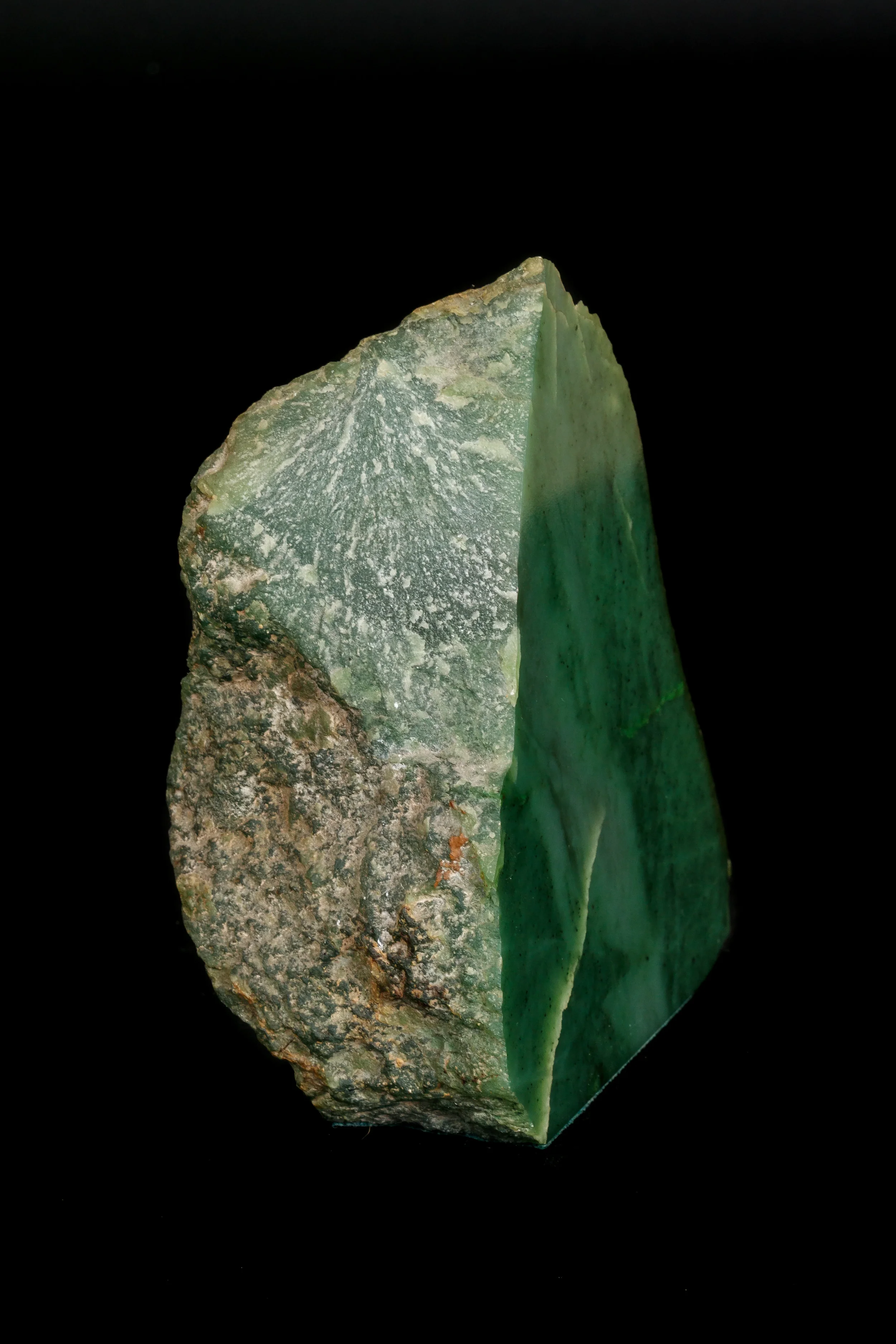
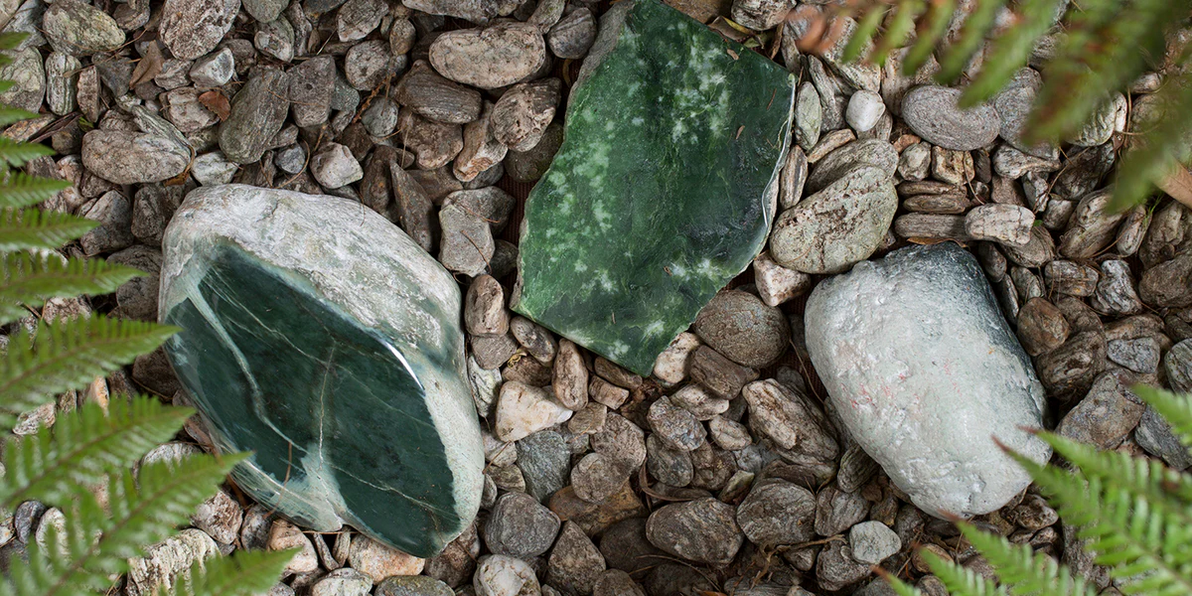
Pounamu is a type of nephrite jade found mainly in the South Island of New Zealand. For Māori, it has historically been used to create tools, weapons, and adornments, valued for both its strength and beauty.
Over time, pounamu has become widely recognised as a symbol of:
Connection
Strength
Protection
Identity
Because of this, it is treated with care and respect.
Can You Buy Greenstone for Yourself?
One of the most common questions visitors ask is:
Do you have to be gifted greenstone?
Traditionally, pounamu is given as a gift, rather than bought for yourself.
This is because the meaning of the piece comes not only from the stone itself, but from the intention of the person giving it.
However, in modern New Zealand:
It is acceptable to purchase pounamu for yourself
But gifting it to someone else still carries deeper cultural meaning
How to Give Greenstone (Pounamu)
Giving pounamu is a meaningful gesture that often marks:
A milestone or life event
A close relationship
A wish for protection, strength, or new beginnings
When giving pounamu:
Give it with genuine intention
Choose a piece that reflects meaning or connection
Share why you are giving it
The value lies not in the price, but in the thought and meaning behind the gift.
How to Receive Greenstone
Receiving pounamu is considered special and should be approached with appreciation.
Traditionally, when someone receives pounamu:
It is accepted with gratitude
It may be worn close to the heart
It becomes a personal and meaningful object
Many people keep their pounamu for life, and in some cases, it is passed down through generations.
Common Greenstone Shapes and Their Meanings
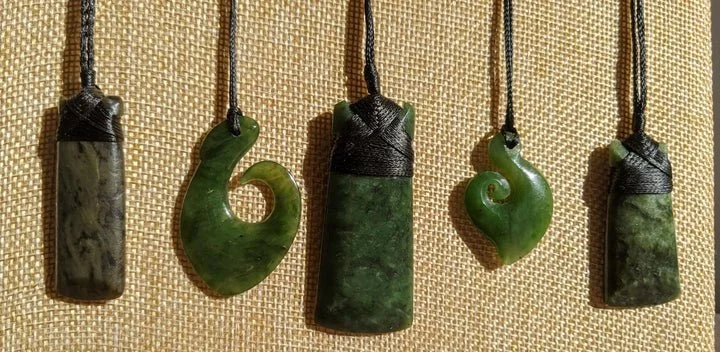
While meanings can vary between iwi (tribes), some widely recognised forms include:
Koru – new beginnings, growth, harmony
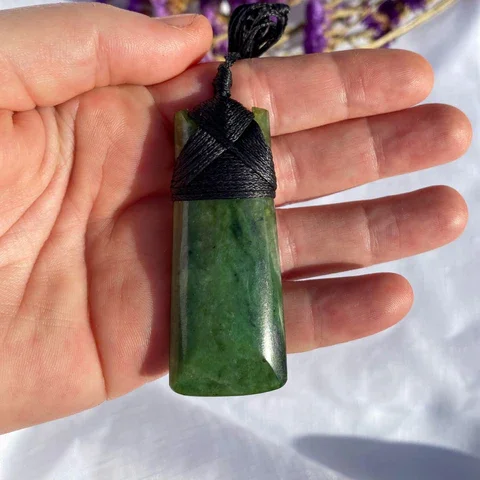
Toki (adze) – strength, courage, determination
Hei Matau (fish hook) – prosperity, safe travel, connection to water
Porowhita (circle) – continuity, eternity, connection
These meanings are commonly shared, though interpretations may differ.
Why Pounamu is More Than Jewellery
Pounamu is not simply decorative — it represents:
Relationships between people
Connection to place
Personal journeys and milestones
Because of this, it is important to treat it with respect and intention.
Respecting Māori Culture When Wearing Greenstone
Visitors to New Zealand are welcome to wear pounamu, but it should be done thoughtfully.
Good practice includes:
Understanding its meaning before wearing it
Purchasing from reputable New Zealand makers
Avoiding treating it as a souvenir
Pounamu is part of Māori culture, and acknowledging this helps ensure it is worn respectfully.
Where to Find Greenstone in Marlborough
While staying in Blenheim and the Marlborough region, pounamu can often be found in:
Local galleries
Artisan stores
New Zealand-made craft shops
Look for pieces that are:
Made in New Zealand
Ethically sourced
Created by reputable artists
Our Perspective at Tresco Apartments
At Tresco Apartments, we aim to share aspects of New Zealand’s culture in a way that is respectful, accurate, and meaningful.
Understanding pounamu is one way visitors can connect more deeply with the culture of Aotearoa and the wider Marlborough region.
Pounamu (greenstone) is a culturally significant stone in New Zealand
It is traditionally given as a gift, not bought for yourself
It represents connection, strength, and protection
Common shapes include koru, toki, and hei matau
It should be worn with respect and understanding
Greenstone carries meaning far beyond its appearance. Whether you give or receive pounamu, it represents connection — to people, to place, and to story.
Taking the time to understand this tradition adds a deeper and more meaningful layer to your experience in New Zealand and Marlborough.