
The Queen Charlotte Track
Queen Charlotte Track
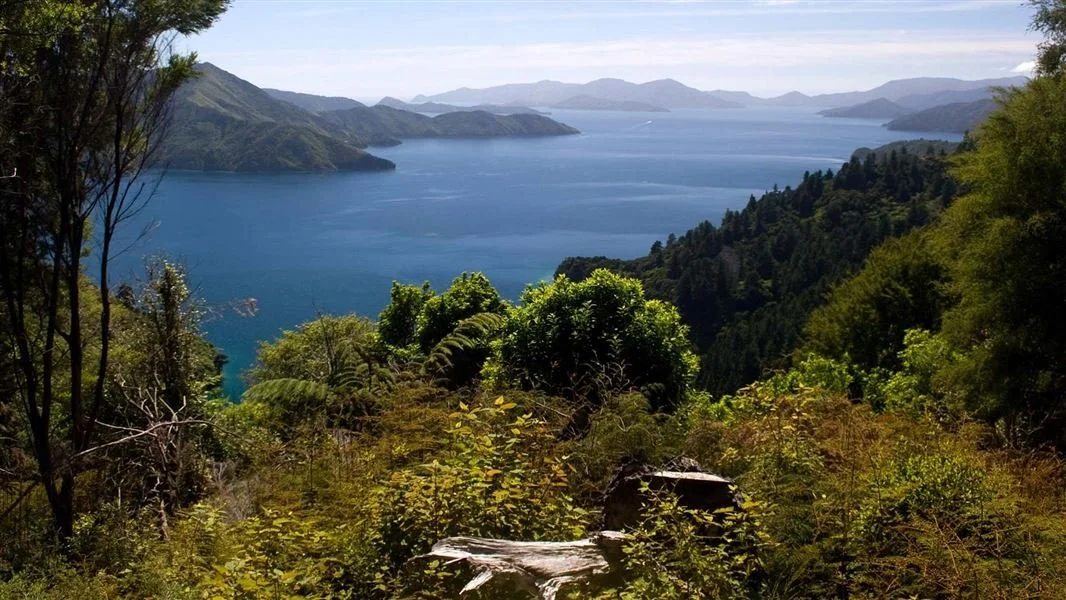
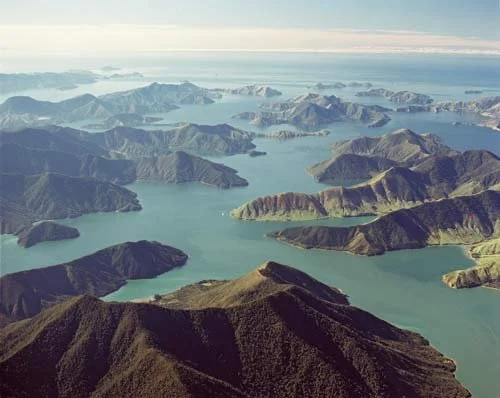
The Queen Charlotte Track is a renowned 73.5-kilometer walking and cycling trail that traverses the ridges and coastline of the Marlborough Sounds, at the northern tip of New Zealand’s South Island. It is notable for its panoramic coastal scenery, indigenous forest, and combination of land and marine access linking historic bays and resorts.
Key facts
Length: 73.5 km (45.6 mi)
Location: Marlborough Sounds, New Zealand
Trail type: Point-to-point walking and mountain-biking track
Typical duration: 3–5 days on foot, 2–3 days by bike
Endpoints: Ship Cove / Meretoto to Anakiwa
Geography and route
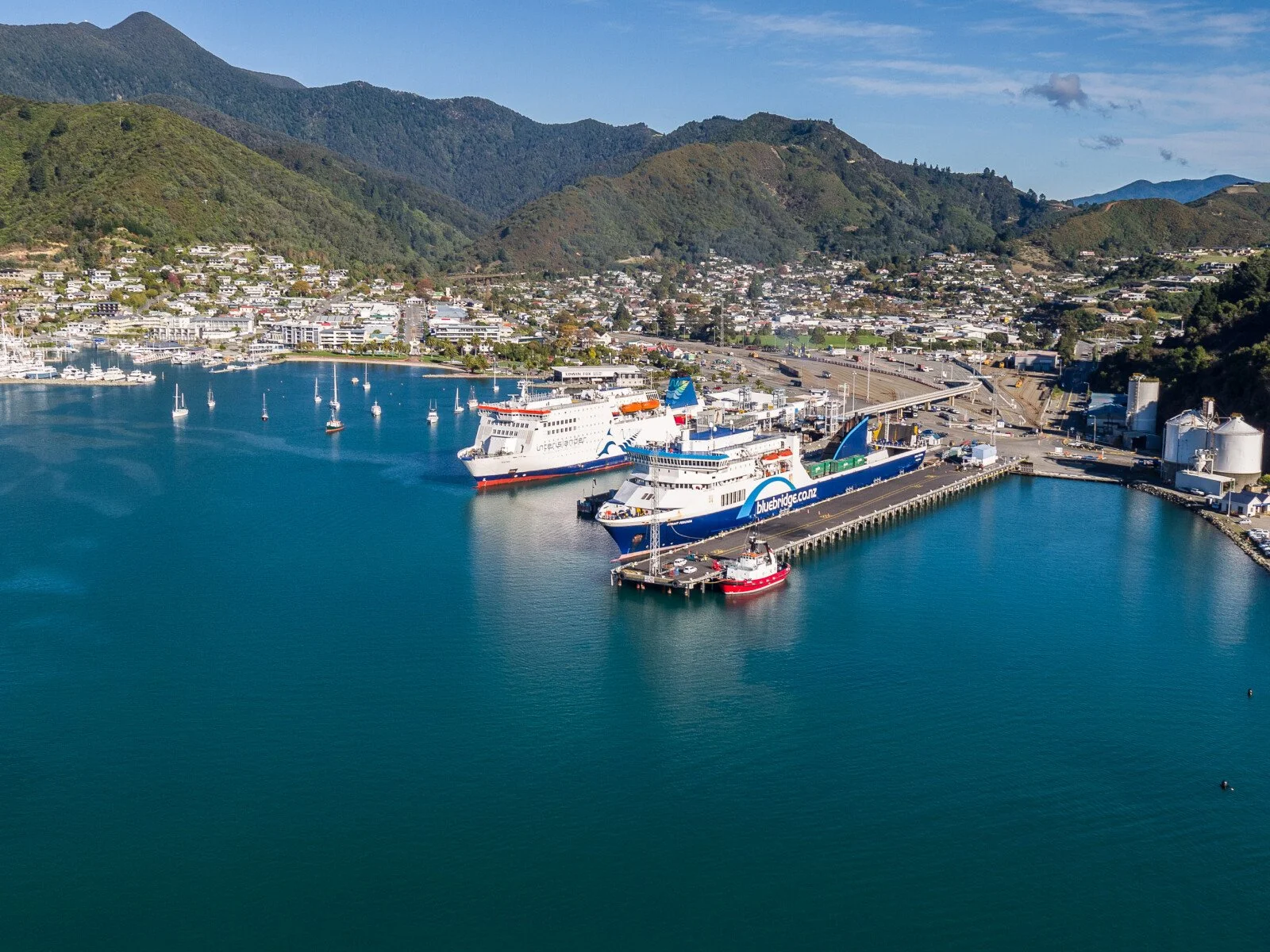
The track begins at Ship Cove / Meretoto, accessible only by boat from Picton, and finishes at Anakiwa near Queen Charlotte Sound / Tōtaranui. It follows coastal ridgelines separating Queen Charlotte and Kenepuru Sounds, offering views of bays, islands, and native bush. Sections cross private land via easements, and water taxis can transfer walkers between key points.
History and cultural context
Ship Cove holds historic significance as a favored anchorage of Captain James Cook in the 1770s, where he made extensive contact with local Māori communities. The track integrates Māori heritage sites and colonial history, with interpretive panels explaining early settlement and exploration.
Recreation and management
The trail is jointly managed by the Department of Conservation, Marlborough District Council, and local landowners. It forms part of the Queen Charlotte Track Pass system, supporting maintenance and landowner access. Accommodation ranges from campsites to lodges, and luggage transfer services are common, making it a well-serviced option for multi-day walkers.
Environment and wildlife
Traversing regenerating native forest and coastal habitats, the track hosts species such as weka, tui, and kererū. The sheltered sounds provide frequent sightings of dolphins and seabirds. Conservation efforts focus on pest control and native vegetation recovery, preserving the region’s distinctive biodiversity.