
Māori History of Marlborough (Te Tauihu o te Waka-a-Māui)
Māori History of Marlborough
Marlborough, located at the top of New Zealand’s South Island, is rich in Māori history and cultural significance. Known as Te Tauihu o te Waka-a-Māui, this region has long been a place of settlement, movement, and connection to land and sea.
Today, visitors to Blenheim and the Marlborough region can experience not only world-class wineries and landscapes, but also a deep and enduring cultural heritage.
Tangata Whenua of Marlborough
The Marlborough region is home to several iwi (tribes), including:
Ngāti Toa Rangatira
Rangitāne o Wairau
Ngāti Rārua
Ngāti Koata
Ngāti Tama
Te Ātiawa o Te Waka-a-Māui
Ngāti Kuia
These iwi have longstanding connections to the land, waterways, and coastline, with histories that continue to shape the region today.
Wairau Bar – One of New Zealand’s Earliest Settlements
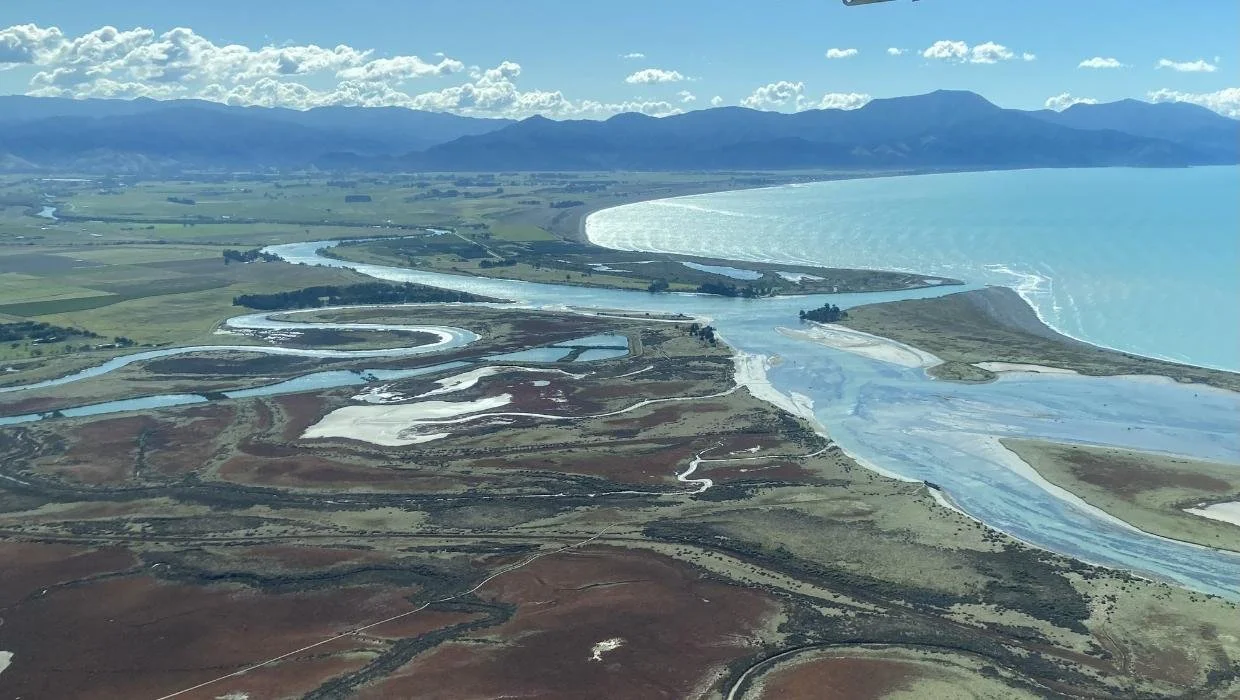
One of the most significant archaeological sites in New Zealand is Wairau Bar, located near present-day Blenheim.
Wairau Bar is recognised as one of the earliest known Māori settlement sites in Aotearoa, dating back to the arrival of early Polynesian settlers. Archaeological discoveries at this site have provided valuable insight into how these early communities lived, travelled, and adapted to a new environment.
Moa Hunting at Wairau Bar
Wairau Bar is also one of the most important sites in New Zealand for understanding the early hunting of moa, the large flightless birds that once lived throughout Aotearoa.
Archaeological evidence found at the site shows that:
Early settlers hunted moa as a significant food source
Remains of moa bones have been discovered in large quantities at Wairau Bar
The birds provided meat, while bones were used for tools and fish hooks
Moa hunting required coordinated group effort and knowledge of the landscape
These findings give insight into the resourcefulness and adaptability of early Māori communities as they established life in a new land.
Over time, moa became extinct, and Wairau Bar provides important evidence of this early period of settlement and environmental interaction.
Connection to Land and Environment
In te ao Māori (the Māori worldview), people are deeply connected to the natural environment.
The rivers, mountains, and coastline of Marlborough are not just physical features — they are part of whakapapa (ancestry) and identity.
Visitors are encouraged to experience the region with care and respect by:
Looking after natural environments
Respecting waterways and walking tracks
Travelling thoughtfully through the landscape
Experiencing Marlborough Today
While visiting Marlborough, there are many ways to connect with the region in a meaningful way:
Explore local walking and cycling tracks
Visit historical and cultural sites
Support local businesses and producers
Take time to enjoy the natural surroundings
These experiences reflect both the natural beauty and cultural depth of the region.
Our Approach at Tresco Apartments
At Tresco Apartments, we aim to reflect the character of Marlborough in a respectful and considered way. We acknowledge the tangata whenua of this region and their enduring connection to the land. Our goal is to provide guests with not only a comfortable stay, but also a deeper appreciation of the place they are visiting. Whether you’re visiting for wine, nature, or relaxation, taking time to understand the history and cultural heritage of Marlborough adds another layer to your experience in Blenheim and the wider Marlborough region.